
How to Stay Hydrated During Long Endurance Race Sessions
페이지 정보
작성자 Demetra 작성일26-07-14 03:17 조회4회 댓글0건관련링크
본문
How do you ensure optimal hydration during extended endurance races? This question is crucial for motorsport enthusiasts, amateur racers, and professional rally teams alike. Staying hydrated not only affects performance but can also significantly impact safety on the track. The right hydration strategy can enhance endurance, improve focus, and ultimately lead to better race outcomes.
In this article, we will explore essential hydration techniques tailored for the demanding environment of endurance racing. We'll look at the physiological needs of racers, suitable beverages and hydration schedules, and practical tips to integrate these strategies into your racing routine. Whether you're upgrading your equipment or looking for high-quality race suits, understanding hydration can elevate your performance. http://cmc365.co.kr/bbs/board.php?bo_table=free&wr_id=751636
Why Hydration is Crucial for Endurance Racing
When you're on the track for several hours, maintaining hydration levels is critical. Racing leads to intense physical exertion, increasing sweat production and fluid loss. Dehydration can result in decreased coordination, fatigue, and impaired decision-making, all of which can jeopardize both performance and safety.

Consider this: a mere 2% drop in body weight due to fluid loss can lead to a significant decline in performance. For example, if you weigh 70 kg, losing just 1.4 kg of fluid can reduce your endurance and speed. Thus, understanding the mechanics of hydration can help you maintain peak performance throughout those long sessions.
What to Drink During Endurance Races
Not all beverages are created equal when it comes to hydration during racing. Water is essential, but relying solely on it may not suffice for extended periods. Here's a breakdown of effective hydration options:
Electrolyte Drinks: These beverages replenish lost salts and minerals, which are vital for muscle function. Look for drinks with sodium, potassium, and magnesium.

Sports Drinks: Formulated to provide carbohydrates and electrolytes, these drinks can help sustain energy levels during races. Race and Rally
Coconut Water: A natural alternative, coconut water is packed with electrolytes and is low in sugar, making it a suitable option for hydration.
How to Develop a Hydration Schedule
Creating a hydration schedule is essential for ensuring you don't wait until you feel thirsty to drink. Thirst can be a late indicator of dehydration, especially during intense racing conditions. Here's how to set up an effective hydration plan:

- Pre-Event Hydration: Start hydrating at least 24 hours before the race. Aim for at least 500 ml of water or electrolyte drink every 2-3 hours.
- During the Race: Drink about 200-300 ml of fluids every 15-20 minutes. This can include water and electrolyte drinks.
- Post-Race Recovery: After the race, rehydrate with a mix of water and electrolyte drinks. Aim to replace any lost fluids within two hours of finishing.
Practical Tips for Staying Hydrated
Implementing the right hydration strategies while racing can be challenging. Here are some practical tips to ensure you stay on track:
Keep a hydration pack or bottles within easy reach during races. Using a hydration pack allows you to sip without losing focus on the track. Additionally, consider using a straw to make drinking while driving more manageable.
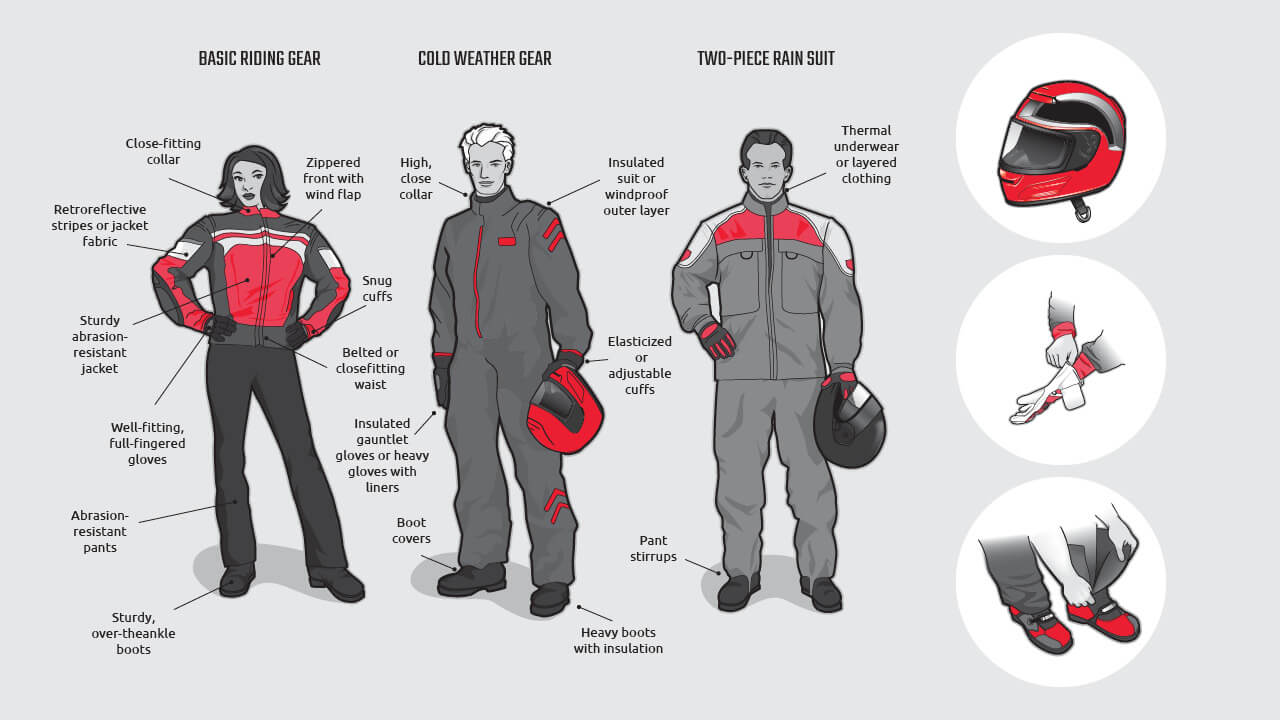
Moreover, if you're racing in hot conditions, try to include cooling towels soaked in electrolyte solutions. Placing these on your neck can keep your body temperature down while also providing a source of hydration. It's also beneficial to monitor the color of your urine - pale yellow is an excellent indicator of adequate hydration. http://pasarinko.zeroweb.kr/bbs/board.php?bo_table=notice&wr_id=10973895
Lastly, practice drinking during your simulation runs. This prepares you for the actual race conditions and helps refine your hydration strategy.
Understanding the Risks of Dehydration
While racing is exhilarating, the risks associated with dehydration are significant. Dehydration can lead to heat exhaustion or even heat stroke, especially during long races in warm climates. The symptoms can range from dizziness and nausea to severe muscle cramps. To avoid these dangers, here are some practical considerations:

Monitor Weather Conditions: Always check the forecast. If temperatures are expected to soar, adjust your hydration plan accordingly.
Adjust Your Diet: Incorporate water-rich foods like fruits and veggies into your pre-race meals to aid hydration.
Listen to Your Body: Pay attention to any signs of dehydration, such as headaches or excessive fatigue, and adjust your fluid intake accordingly.
Frequently Asked Questions about Hydration in Endurance Racing
How much fluid should I drink before a long race?
It is recommended to drink at least 500 ml of water or electrolyte beverages in the 24 hours leading up to the race. Additionally, consider consuming more fluid based on weather conditions and your personal hydration needs.
What are the signs of dehydration during a race?
Common signs include dry mouth, excessive thirst, fatigue, dizziness, and dark-colored urine. If you experience these symptoms, it's crucial to increase your fluid intake immediately.
Can I rely on just water for hydration during long races?
While water is essential, it may not provide sufficient electrolytes and energy for long-duration races. Combining water with electrolyte-rich drinks is crucial for optimal performance.
How do I know if my hydration strategy is effective?
A good hydration strategy will leave you feeling energized and focused. Monitoring your urine color can help; pale yellow indicates adequate hydration, while darker shades suggest you need to drink more.
What should I do if I get dehydrated during a race?
If you notice signs of dehydration, such as dizziness or fatigue, pull over safely and drink fluids immediately. Aim for electrolyte drinks to help replenish lost salts and minerals.
Is it necessary to hydrate during short races as well?
Yes, even in shorter races, maintaining hydration can enhance performance. Drink small amounts of fluid before, during, and after the race, especially in hot weather.
댓글목록
등록된 댓글이 없습니다.