
How to Prepare Your Vehicle for Scrutineering Success
페이지 정보
작성자 Teresa 작성일26-07-14 03:22 조회2회 댓글0건관련링크
본문
In the world of motorsport, scrutineering is a critical step that can make or break your racing experience. With over 85% of teams facing issues during scrutineering due to inadequate vehicle preparation, it is imperative to understand what is needed to ensure compliance and safety. This process is not only about meeting regulations but also about enhancing your vehicle's performance and reliability on the track.
For motorsport enthusiasts, amateur racers, and professional rally teams, preparing your vehicle for scrutineering requires a mix of diligence in research, investment in high-quality parts, and a comprehensive safety mindset. From race car parts to motorsport safety equipment, knowing what to source and how to implement these upgrades will be pivotal in passing inspection and achieving racing success. Race & Rally
Understanding the Scrutineering Process
Scrutineering refers to the inspection of vehicles before a race event to ensure they comply with safety regulations and standards set by governing bodies. This process typically includes checks on safety equipment, vehicle dimensions, and performance parts. Understanding these requirements is the first step towards success.
During scrutineering, inspectors will cover various aspects of your vehicle, including the following:
- Safety gear compliance
- Fuel system integrity
- Weight specifications
- Brake performance
- Tyre condition and specifications
Neglecting any of these components can result in disqualification or penalties, significantly affecting your racing experience. Therefore, it is essential to familiarize yourself with the specific rules and regulations of the event you are entering.
Essential Vehicle Preparation Gear
The right gear is fundamental for ensuring your vehicle meets scrutineering requirements. Investing in FIA-compliant parts and safety equipment is non-negotiable for all serious racers. Key components include:
Fire Suppression System: Mandatory for many racing events, this system helps to mitigate fire risks in the cockpit or engine bay.
Rally Car Parts: Upgrading to high-performance rally parts can enhance durability and reliability on rough terrains.
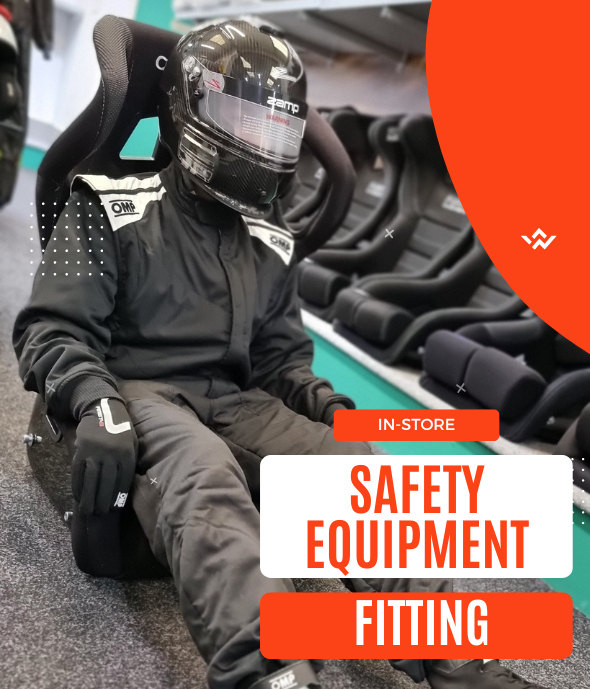
Race Suits and Helmets: Ensure all drivers wear fire-resistant suits and helmets that meet safety standards.
Harnesses and Seats: Properly installed FIA-approved harnesses and racing seats provide essential support and safety during high-speed maneuvers.
Roll Cages: A robust roll cage should be installed to protect occupants in the event of a rollover.
How to Check Your Vehicle's Compliance
Before heading to scrutineering, performing your own pre-inspection of the vehicle can save time and avoid any surprises. Here's how to carry out a self-check:
Review Regulations: Consult the event regulations for specific requirements related to your vehicle type. buy rally car parts
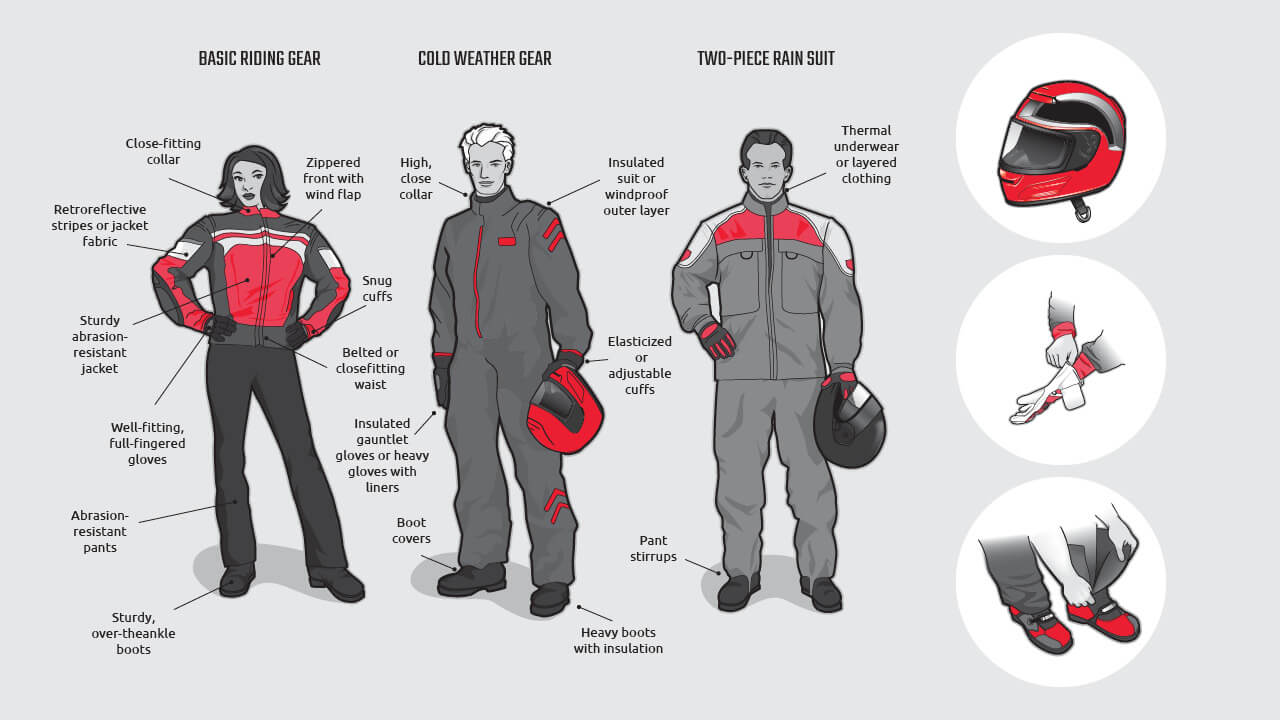
Safety Gear Inspection: Ensure all safety gear is in place, functional, and compliant with regulations.
Fluid Levels and Equipment: Check coolant, oil, and brake fluid levels. Verify that all equipment, such as fire extinguishers, is accessible and functioning.
Tire Condition: Inspect tires for wear and ensure they meet the event's specifications on type and pressure.
Mechanical Check: Listen for abnormal noises, check brakes, suspension, and steering for smooth operation.
Common Issues to Avoid During Scrutineering
Many teams face common pitfalls during the scrutineering process. Here are issues you should proactively address to prevent unnecessary delays or disqualifications:
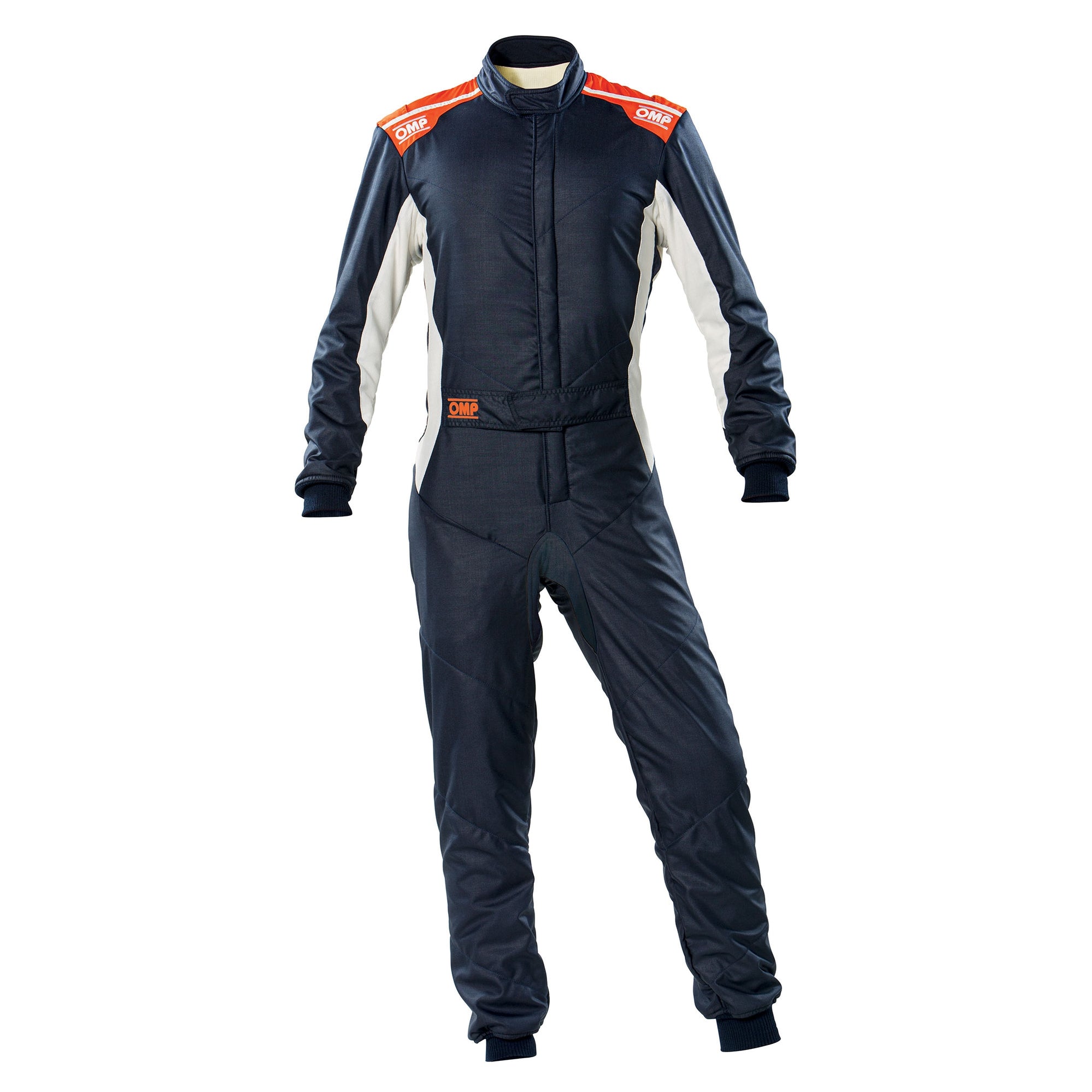
Outdated Safety Equipment: Ensure all safety gear is within the expiration dates and meets the latest FIA standards.
Improper Weight Distribution: Make sure your vehicle complies with the minimum weight requirements and ensure weight distribution is optimized.
Incomplete Documentation: Bring all necessary documentation, including proof of compliance for parts and equipment.
Unsecured Loose Items: Remove or secure any loose items in the vehicle that could pose a hazard on the track.
Addressing these common issues beforehand will give you a competitive edge and peace of mind.
Investing in Quality: The Importance of Reliable Parts
Investing in high-quality parts is imperative for both enhanced performance and successful scrutineering. While it may be tempting to opt for cheaper alternatives, subpar parts can lead to failures during both inspections and racing. discount motorsport safety equipment
The benefits of using high-quality, FIA-compliant parts include:
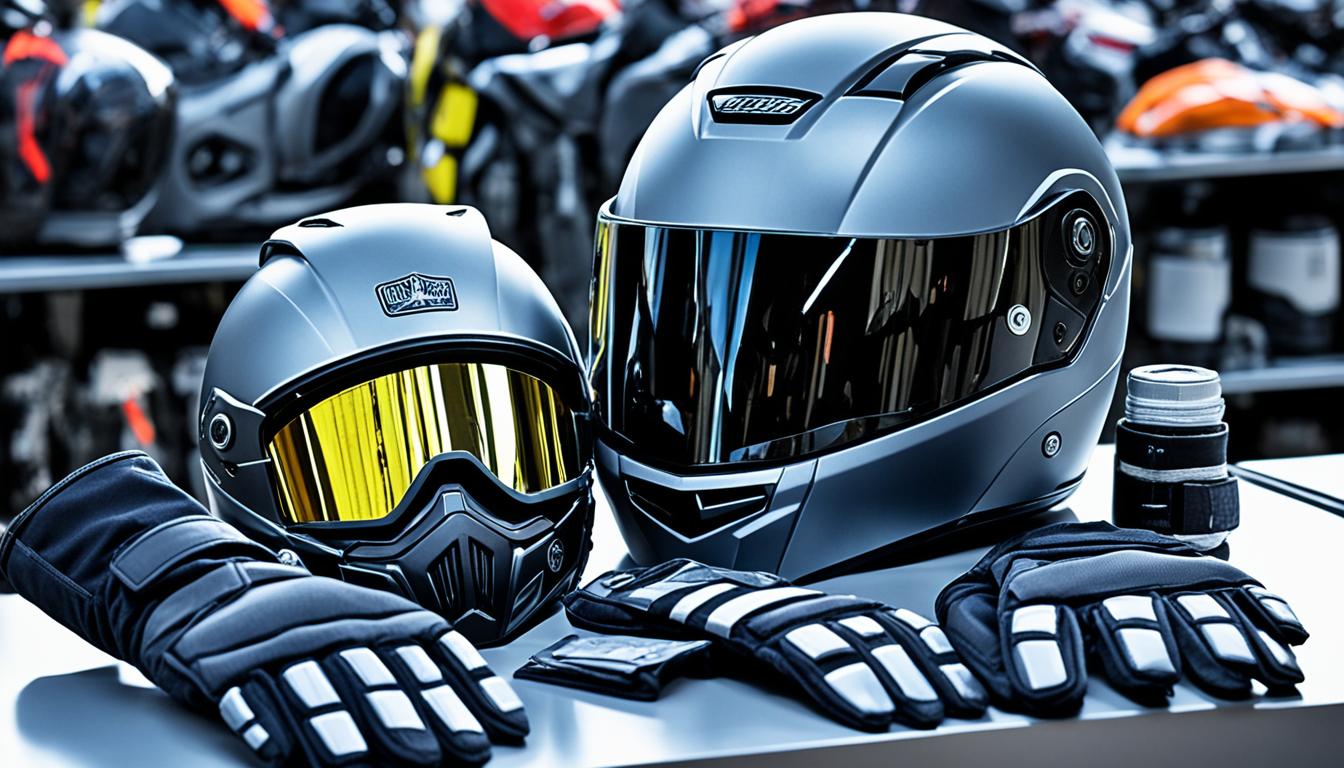
- Increased safety through reliable gear
- Improved vehicle performance and handling
- Reduced risk of technical failures during events
- Enhanced longevity of components
For example, using a quality fire suppression system may cost more upfront, but it could save lives and prevent severe damage to your vehicle.
Final Checklist for Scrutineering Readiness
To ensure you don't miss anything crucial, here's a final checklist to review before heading to scrutineering:
Confirm all safety equipment is compliant and accessible. Inspect the vehicle thoroughly for mechanical issues. Review documentation for all parts and safety gear. Double-check weight and fluid levels. Secure or remove loose items from the car.
Comparing Top Motorsport Safety Equipment
| Safety Equipment | Type | FIA Compliance | Average Cost |
|---|---|---|---|
| Fire Suppression System | Active | Yes | $1,500 |
| Racing Harness | Passive | Yes | $400 |
| Race Suit | Passive | Yes | $1,200 |
| Helmet | Personal | Yes | $600 |
Addressing the Costs of Motorsport Preparation
Many amateur racers often struggle with sourcing high-quality vehicle upgrades while remaining budget-conscious. While investing in top-tier parts may seem daunting, consider it a long-term investment in not only safety but also performance. You can find ways to reduce costs without compromising quality, such as:
Buy in Bulk: If you're part of a team, consider purchasing gear in larger quantities to negotiate better deals.
Seek Sponsorships: Approach local businesses or larger organizations for sponsorships to help fund your preparations.
Purchase Used Gear: Explore gently used equipment from reputable sources that meet compliance standards.
DIY Maintenance: Learn to perform basic maintenance and upgrades yourself to save on labor costs while understanding your vehicle better.
By being strategic in your preparation process, you can effectively navigate the associated costs and ensure your vehicle is race-ready.
Frequently Asked Questions About Vehicle Scrutineering
What are the key items that scrutineers check during inspections?
Scrutineers primarily check safety equipment like fire suppression systems, the integrity of the fuel system, the condition of tires, and ensure that the vehicle meets weight specifications. They may also conduct checks on the braking system and overall mechanical function to ensure compliance with safety standards.
How long does the scrutineering process usually take?
The duration of scrutineering can vary depending on the event, but it typically takes anywhere from 30 minutes to several hours. It's crucial to arrive early to accommodate potential delays or additional checks that may be required.
Is it necessary to have a fire suppression system installed?
Yes, in many motorsport events, having an FIA-compliant fire suppression system is mandatory for safety reasons. It serves as a critical safety measure to protect drivers in the event of a fire during a race.
What happens if my vehicle fails scrutineering?
If your vehicle fails scrutineering, you may be given the opportunity to address specific issues and return for a re-inspection. However, if the issues are severe, you may not be allowed to compete in the event, emphasizing the importance of thorough pre-inspection.
Can I still race if my vehicle meets all safety requirements but is not up to optimal performance?
Yes, as long as your vehicle meets the safety regulations set by the event organizers, you can still race. However, optimal performance is crucial for competitive success, so consider upgrading parts to enhance your vehicle's capabilities.
How can I reduce the costs associated with vehicle preparation for scrutineering?
To minimize costs, consider buying parts in bulk, seeking sponsorships, exploring gently used equipment, and learning to perform basic maintenance and upgrades on your own. This approach not only saves money but also deepens your understanding of your vehicle.
댓글목록
등록된 댓글이 없습니다.